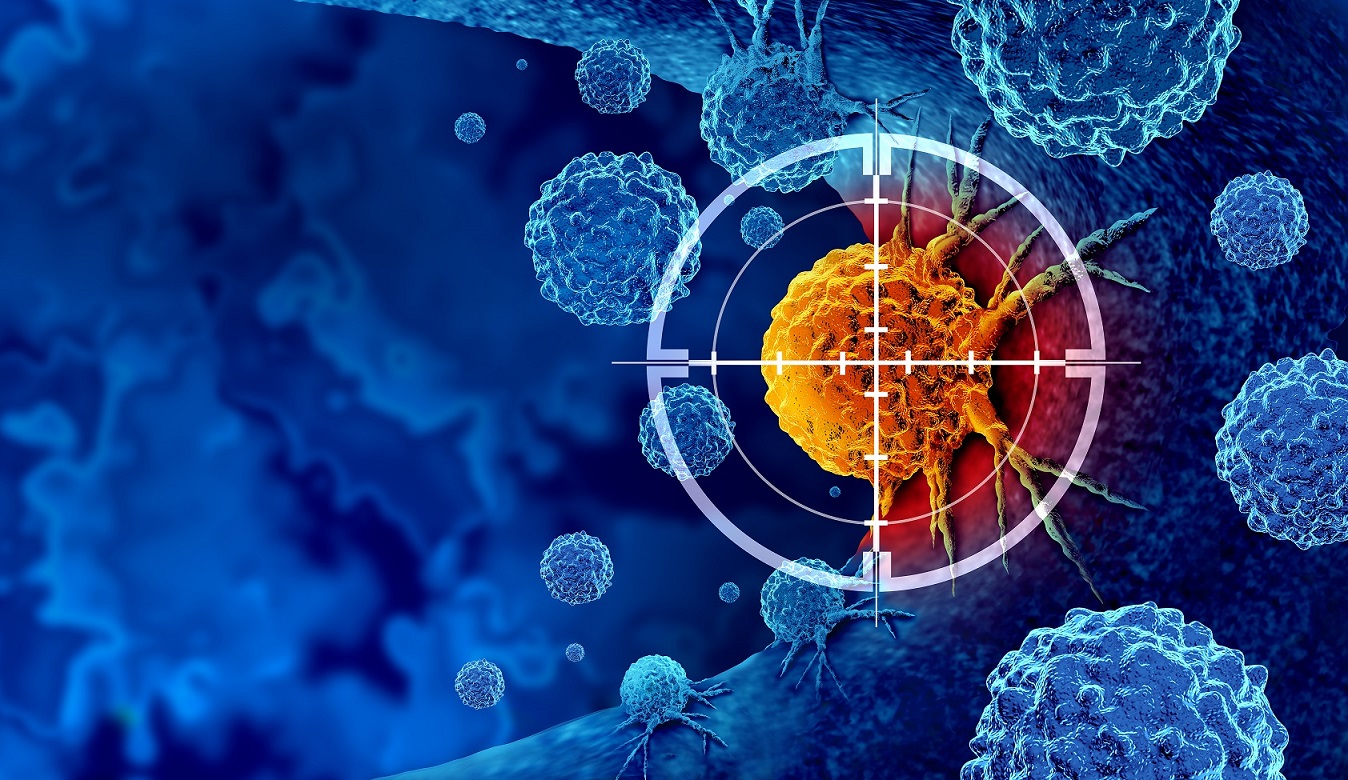
If you or a loved one has just been diagnosed with a GEP-NET, you might feel like you are learning a whole new language. GEP-NET stands for Gastroenteropancreatic Neuroendocrine Tumor. That is a long name, but it simply describes where the cancer starts and the type of cells involved.
What is a GEP-NET?
Most cancers start in organs like the lungs or the colon. GEP-NETs are different because they start in special cells called neuroendocrine cells. These cells are like a mix between nerve cells and hormone cells. They are found all over your body, but GEP-NETs specifically start in your digestive system (the "gastro" part) or your pancreas.
Why the Zebra?
In the medical world, doctors are often taught, "When you hear hoofbeats, think horses, not zebras." This means they should look for common illnesses first. Because GEP-NETs are rare, they are called the "zebras" of cancer.
Many patients spend years seeing different doctors for stomach pain, bloating, or diarrhea. Because these symptoms look like common problems like IBS (Irritable Bowel Syndrome) or allergies, the "zebra" often goes unnoticed for a long time.
Functional vs. Non-Functional
Not all GEP-NETs act the same way. Doctors put them into two main groups:
Understanding Your "Grade"
When a doctor looks at your tumor under a microscope, they look for something called the Ki-67 index. This is just a way of measuring how fast the cancer cells are dividing.
Finding the Right Care Team
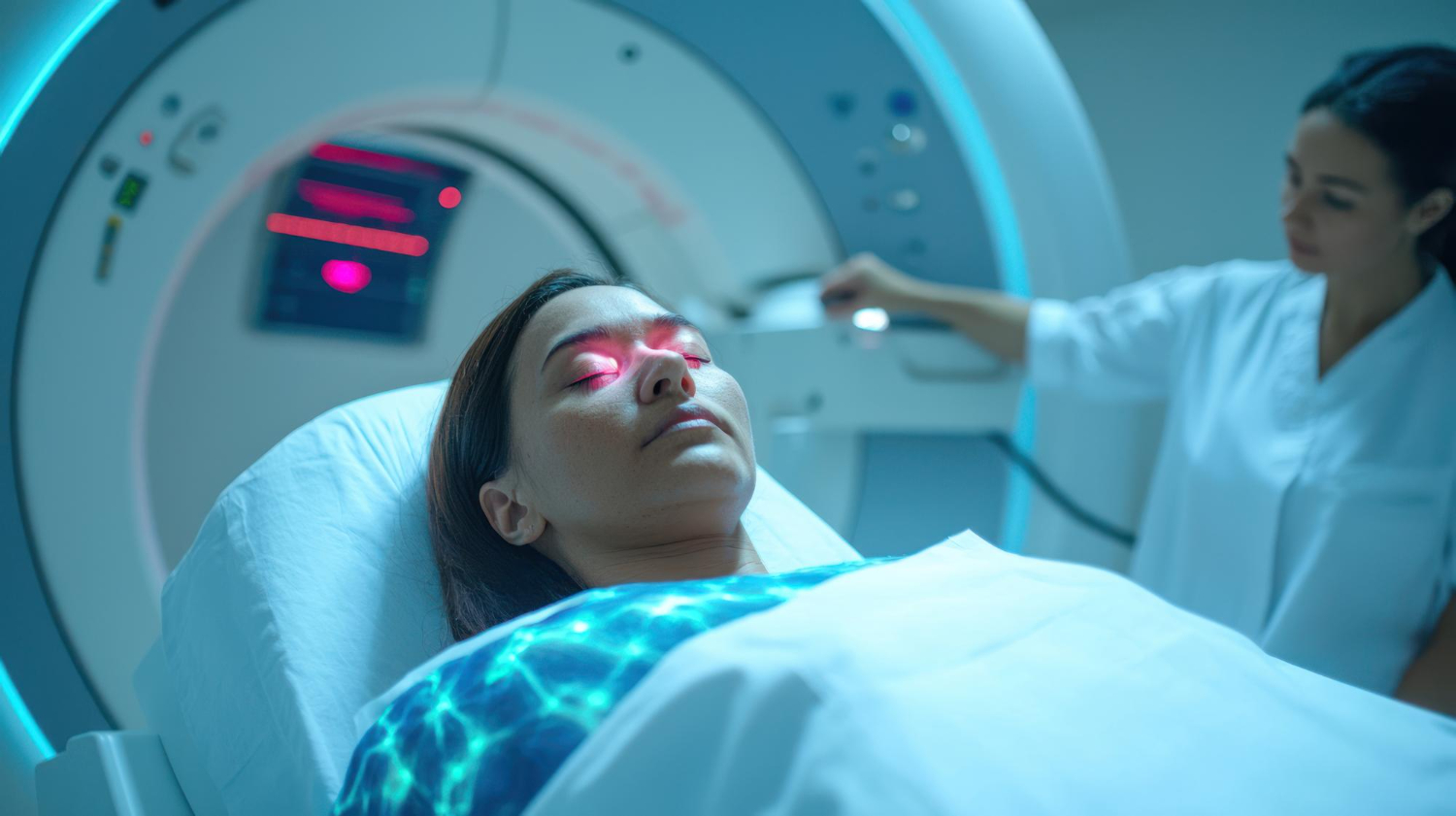
Because GEP-NETs are rare, "standard" cancer care isn’t always the best fit. To get the best results, you need a doctor who knows how to find and treat these "zebra" tumors. This usually involves using "Next-Gen" scans that act like a GPS to find cancer cells wherever they are hiding.
The goal is to move away from the stress of the unknown and toward a clear, organized plan for your health. You can start this journey today by using the Therapy4me.ai matching engine. The tool is designed to help you find a neuroendocrine specialist who can evaluate your condition and offer advanced imaging and precision treatments.